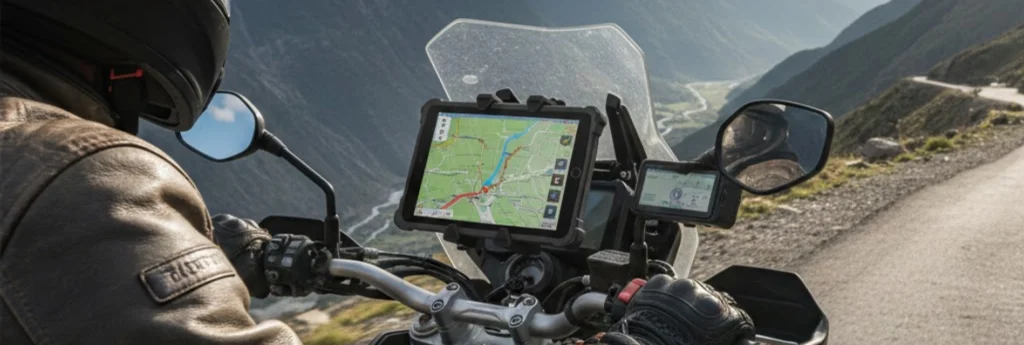
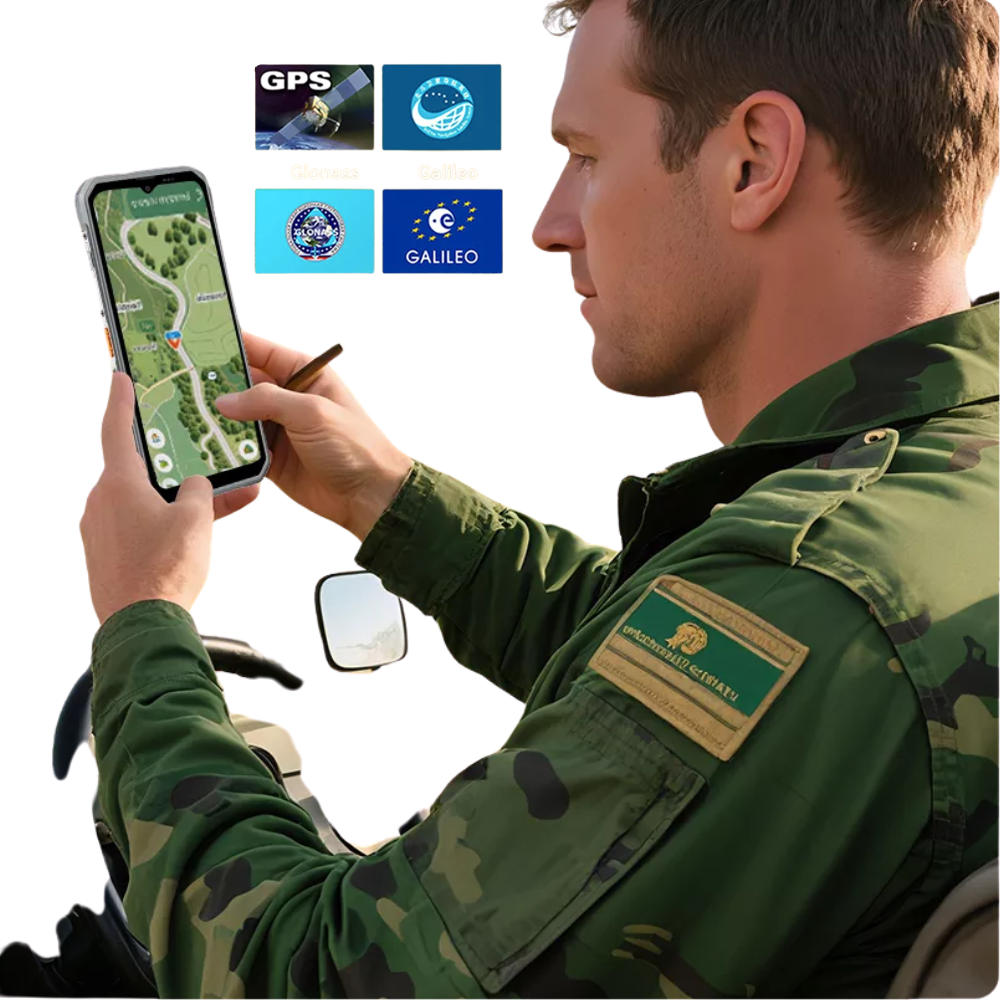
When you do real motorcycle routes, I'm not talking about going for a short ride, but about Long routes, dirt roads, unexpected rain, or entire days without electricity, The mobile phone ceases to be just a mobile phone. It becomes GPS, in support, in a guidance tool and, often, in peace of mind.
Not just any device will do here. And many motorcyclists discover this late, when their mobile phone turns off, becomes unreadable in the sun, or stops responding when wearing gloves.
This article is designed precisely for that purpose: real use on adventure routes.
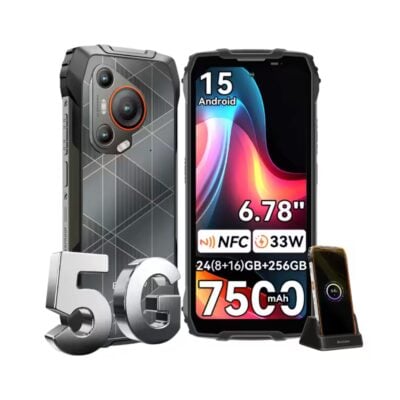
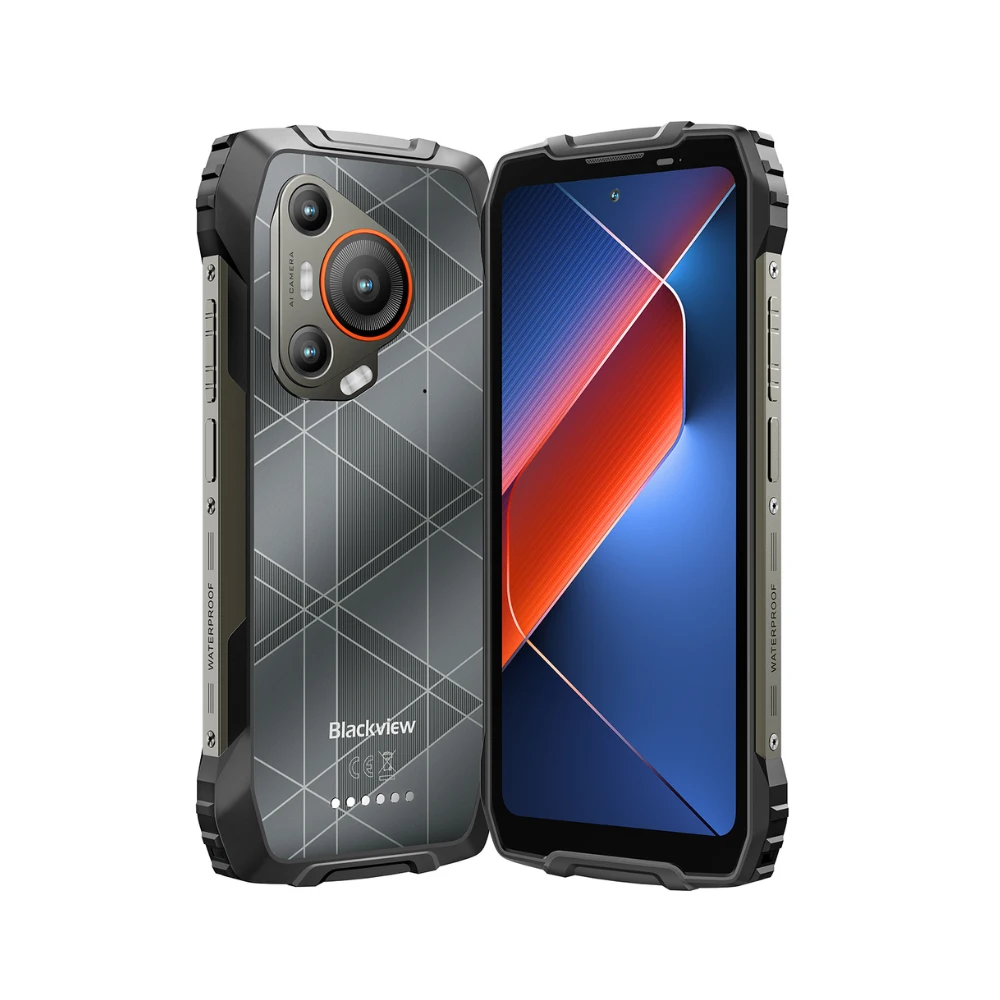
It's a very balanced option for those who don't want to duplicate devices, but Yes, you want reliability on the road..
Personal opinion: This model is very reliable, it holds up very well and many customers are happy, especially with the software.
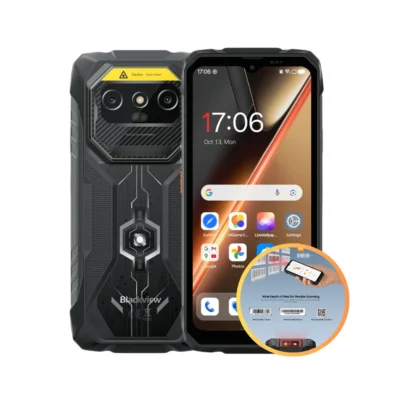
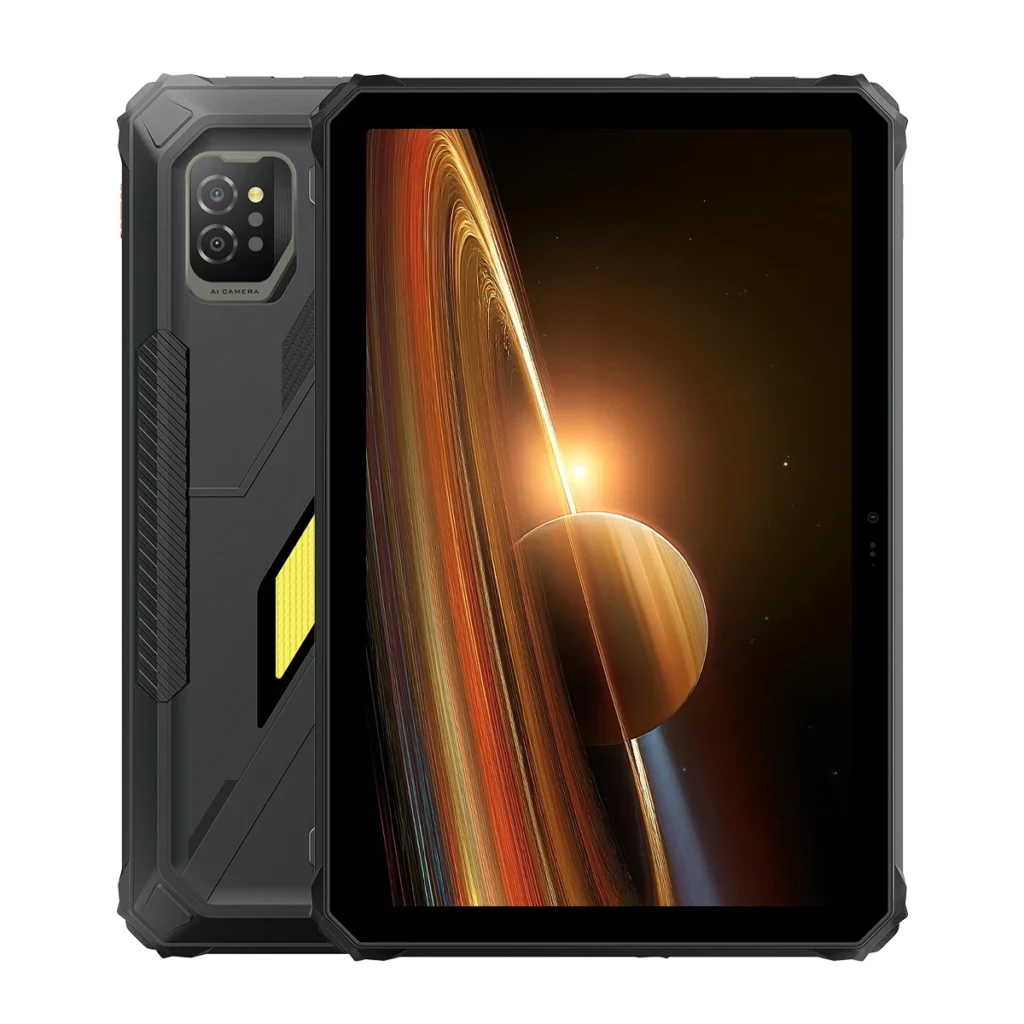
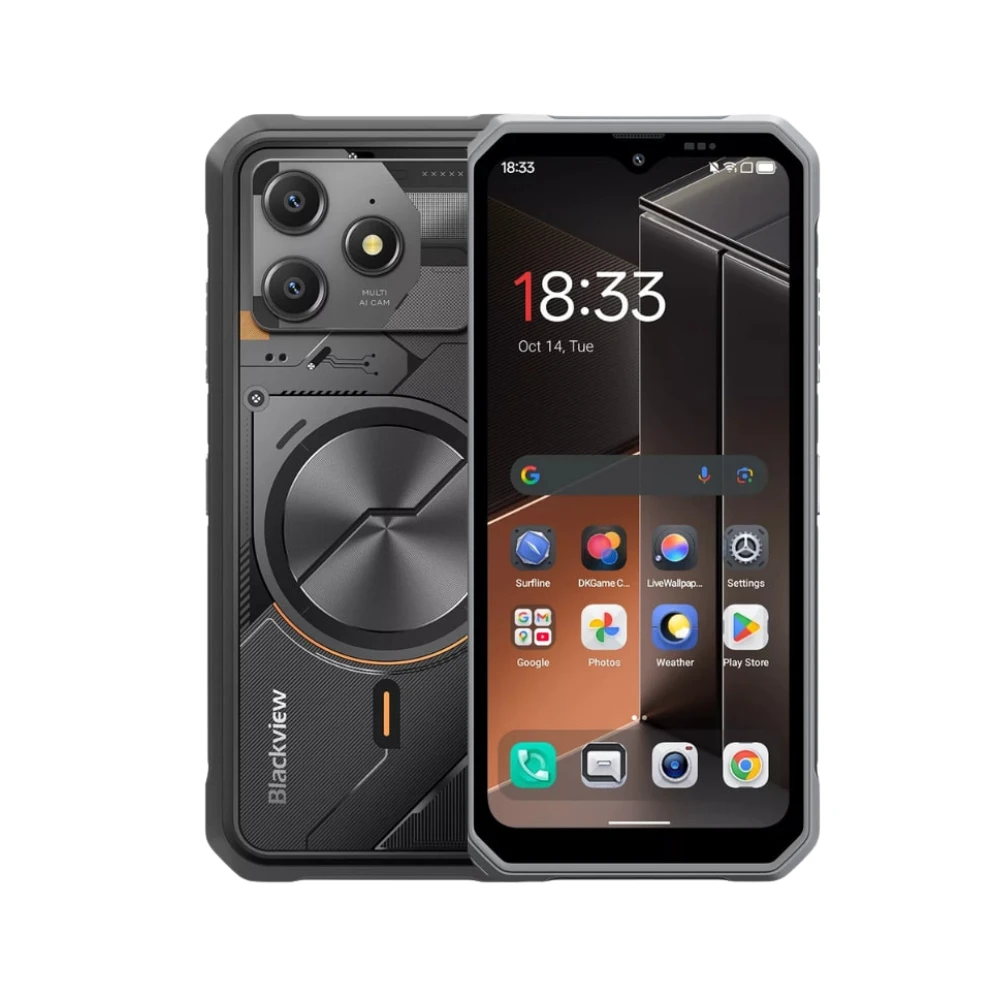
Fort 100: simple, durable and designed to last.
There is another very common profile: the motorcyclist who He prefers not to risk his personal mobile phone.
This is where Fort 100 makes a lot of sense:
As a second mobile phone dedicated to the motorcycle
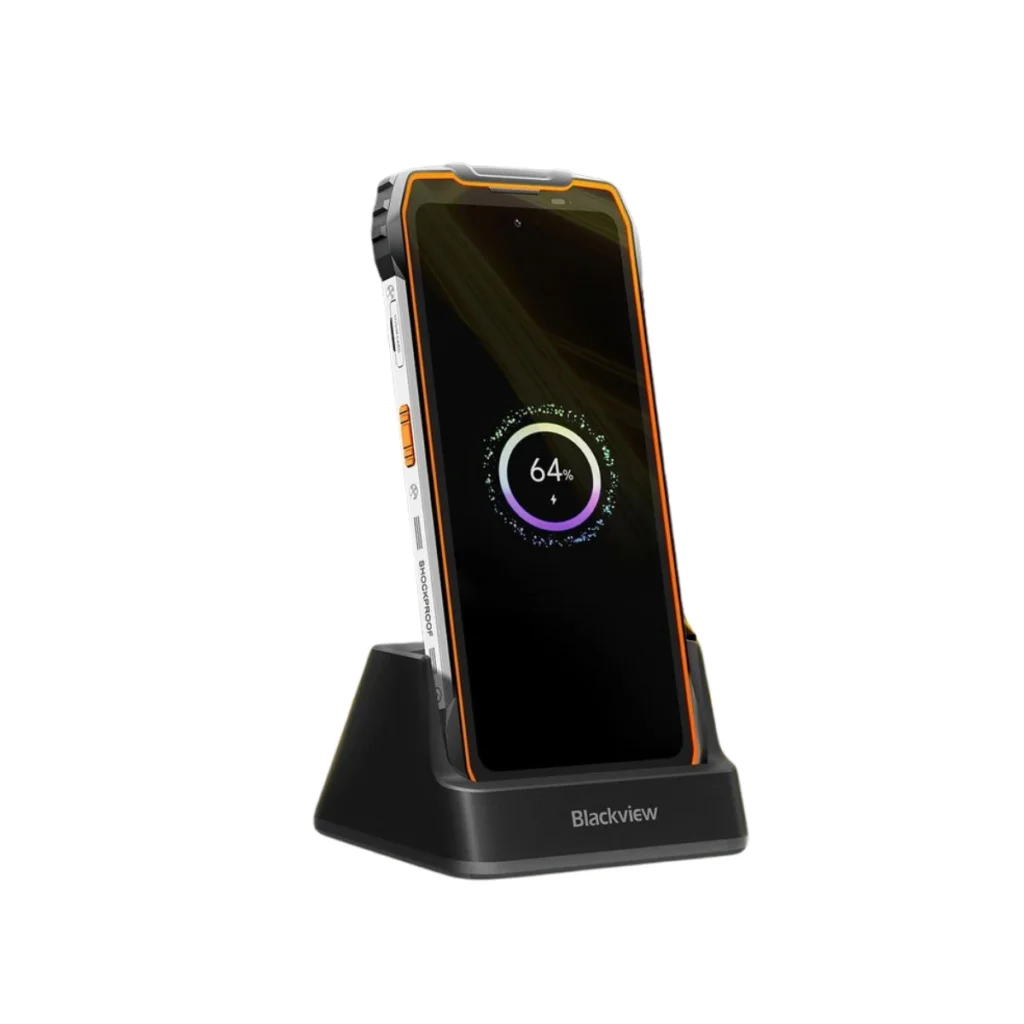
For long routes where battery life is paramount.
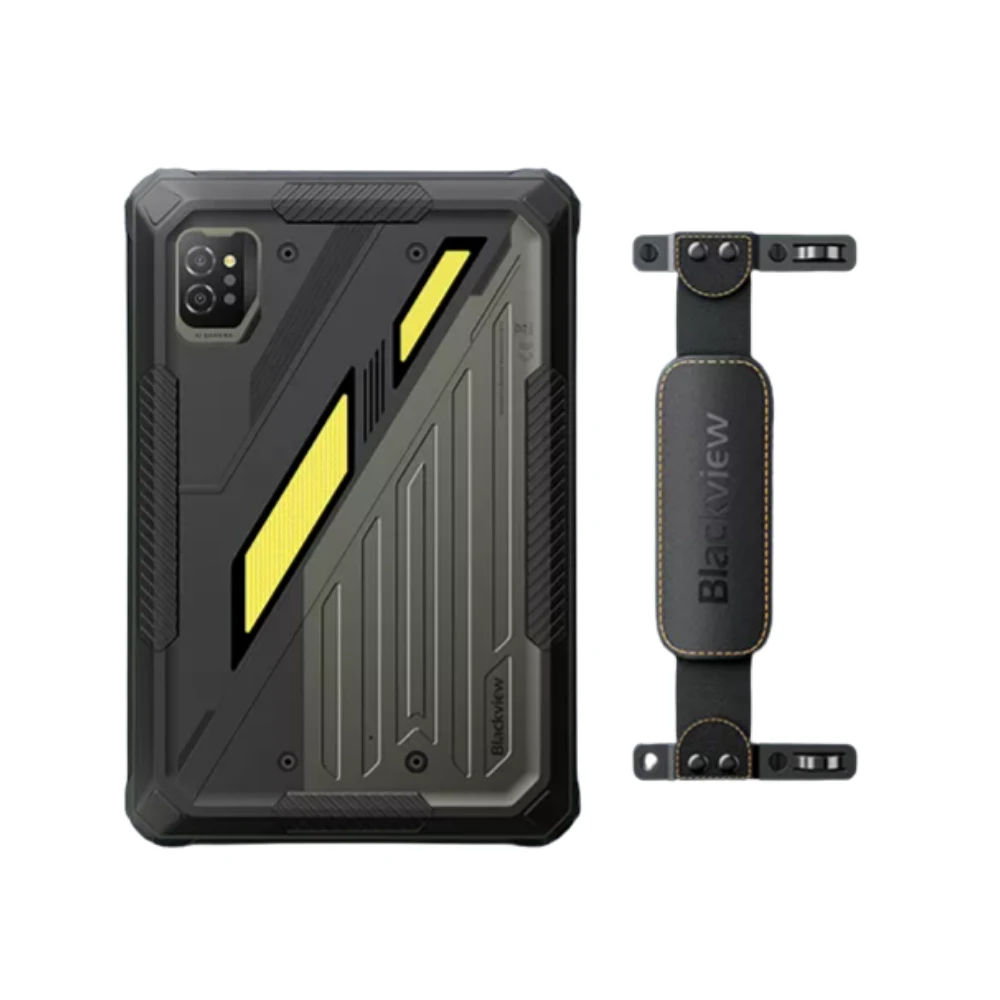
To securely attach it to the handlebars without fear
For rain, dust and worry-free drops
It's not the most sophisticated, but is reliable, And on a motorcycle, that's worth its weight in gold.
Many experienced motorcyclists opt for this strategy: a "battle" device for the route, and your personal mobile phone safe.
Personal opinion: This model is very lightweight compared to other rugged phones. It's very easy to carry in your hand, and I love its design.
Questions every adventure motorcyclist asks themselves before hitting the road
Will I be able to see the screen properly when the sun is shining directly on it? This is one of the first things you discover on the road. If the screen isn't bright enough, the GPS becomes useless precisely when you need it most. On a motorcycle, brightness isn't just a bonus: it's essential for safety and navigation.
Can I use the device with gloves on? Taking off your gloves every time you want to move the map or change route isn't practical, and sometimes it's not even safe. Using gloves makes all the difference between a smooth experience and a frustrating one.
What happens if it starts to rain halfway through the route? On long rides, rain isn't a remote possibility; it's something that inevitably happens. A device designed for water and mud allows you to continue without worrying about protecting or turning it off.
Will the battery last all day? When you've been riding for hours and still have miles to go, checking the battery percentage creates more stress than necessary. On an adventure, real-world range is key to enjoying the ride.
Does it withstand constant vibrations in the handlebars? The vibrations aren't noticeable at first, but they take their toll. An unprepared device can fail over time, lose accuracy, or stop working at the worst possible moment.
What if there's a silly fall or the terrain gets tricky? On an adventure motorcycle, minor falls are part of the game. Having a durable device provides peace of mind and allows you to focus on what matters: staying on the trail.
Is it better to use your personal mobile phone or a device dedicated to the motorcycle? Many motorcyclists end up using their phones separately. A dedicated device for the motorcycle avoids unnecessary risks and extends the battery life of the personal mobile phone.
My name is Susana, and I work in customer service and order management at Blackview Spain. I have extensive knowledge of Blackview and Oukitel devices, so I can help anyone find the best option for them.